
Drop the pressure and Workout.
Our mindset towards exercise can make all the difference in keeping our bodies moving. We talk about goals, and yes, it is helpful to have a goal to measure success in meeting a personalized marker for ourselves – but what about exercising for the sake of exercising OR moving for the sake of moving.
What if we drop the pressure surrounding movement and exercising. Exercising under pressure can lead to judgement that we place on ourselves, and the pressure can become so overwhelming that we give up before getting started. What if there was no reason or nothing to give up on? Dropping the pressure, which can many time be a mindset, helps us to exercise simply “just because” – and this helps develop exercise as a part of our lifestyle.
Do we have to convince ourselves to brush our teeth? Do we have to find motivation to wash our hands? These are second nature things we do because it is in our best interest. What if we placed exercise in the same category. Brushing our teeth daily (maybe a couple times daily) prevents gum disease, cavities, and breakdown of enamel. Many of us avoid these consequences simply because we model out dental hygiene habits daily. Studies show exercising daily can prevent chronic disease, some injuries, and depression and anxiety. For the person that has trouble starting - what if we start with 30 mins of walking daily? No pressure, just an intentional act that we do for physical maintenance.
Food for Thought: Do you place pressure on yourself when it comes to exercising? Why or why not?
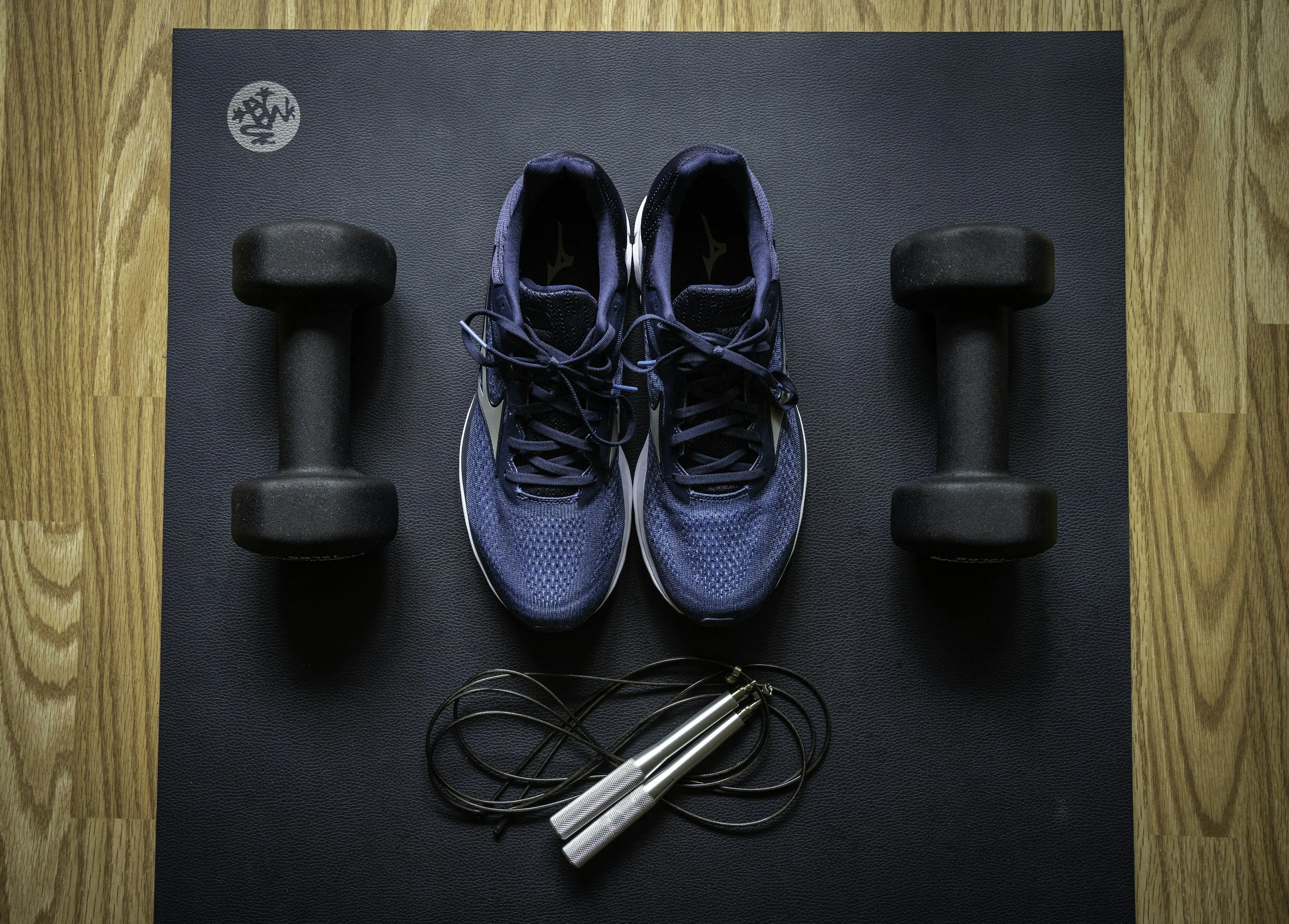
Benefits of Exercise
While dropping the pressure, and beginning to add exercise to your daily life – consider some of the reasons it can be a benefit to you (much like how brushing our teeth daily prevents all the outcomes we listed earlier):
Improves heart health: Improves circulation, increases oxygen flow, lowers blood pressure, and improves cholesterol/triglyceride levels.
Regulates blood sugar: Helps control blood glucose and insulin, reducing Type 2 diabetes risk.
Weight management: Burns calories, helps maintain a healthy weight, and prevents obesity.
Strengthens bones: Strengthens muscles, improves balance, and builds bone density, reducing osteoporosis and fall risks.
Positive mood boost: Releases endorphins, reducing symptoms of depression and anxiety.
Sharpens brain funtion: Improves memory, thinking skills, and may increase brain volume, potentially delaying dementia.
Better sleep: Helps you fall asleep faster and improves sleep quality.
Improves energy and libido: Boosts energy levels and can improve sex life.
Provides connection with peers: Offers opportunities to connect with others.
Additional Benefits: Lowers risk of stroke, certain cancers (colon, breast), heart attack, and more.
Food for Thought: How can you add 30 minutes of movement to your daily routine?
Cited Sources: NIH; CDC; Harvard Health